Друга половина XVIII ст. It is characterized by the activation of the tsar's policy on the incorporation of Cossack Ukraine. Last but not least, this concerned the status and rights of the Cossack foreman. The basis for this already existed. In the Ukrainian codex 1743 of the year "Rights, by which the Little Russian people are judged" (the original manuscript is kept in the funds of the Chernihiv Regional Historical Museum named after. В.В.Тарновського, inv. № Ал 405) all the Cossack foremen up to and including the centurion were included in the nobility. On 1763 year, the term "nobility" became generally recognized. Somewhere 20 For years, the foreman argued whether ordinary Cossacks had the right to this status. The majority was against it. І ось 1782 year in the Cossack school (unfortunately already the former) "Institution of provinces" was introduced in Ukraine, according to which the nobility received the right to create their state bodies (collection), which among other things, were authorized to compile lists of the nobility.
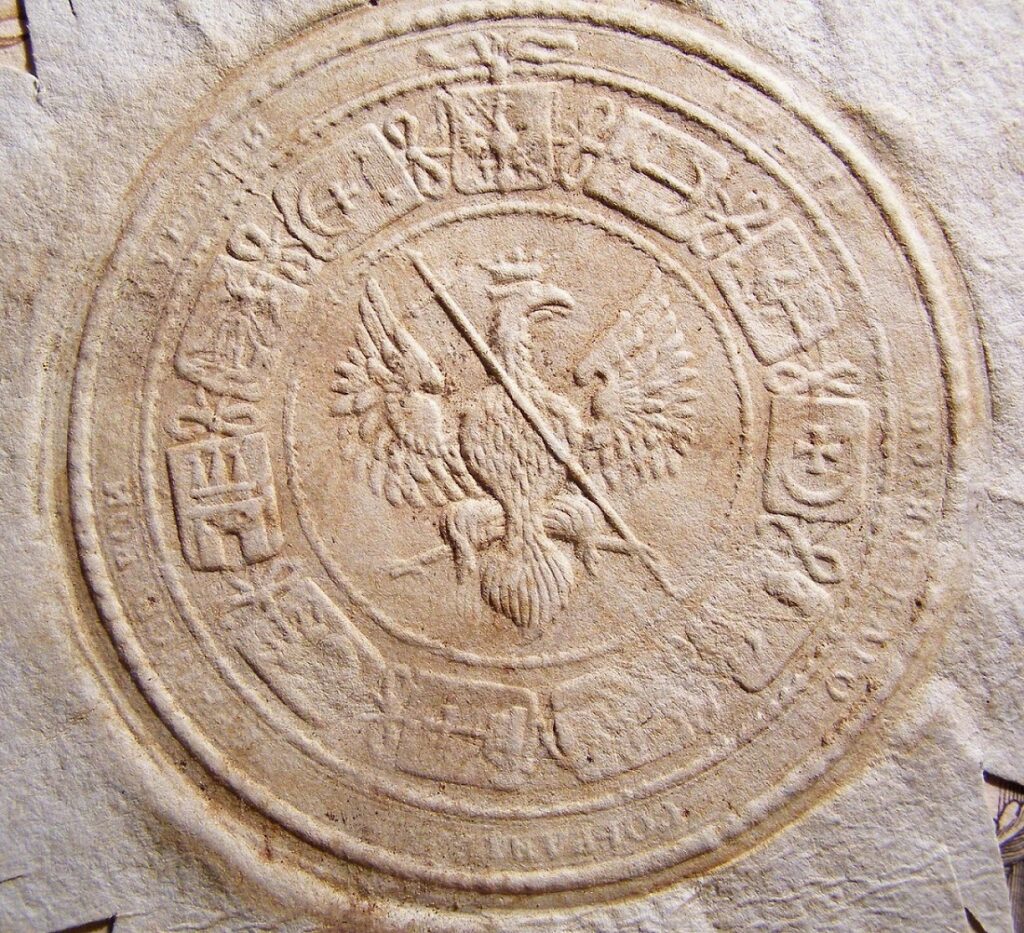
How it happened in Chernihiv Oblast is evidenced by a letter for July 1784 Andrii Andriyovych Poletika from Chernihiv (in the future to the Chernihiv provincial leader of the nobility, at the time of correspondence, he is still a Bunchuk comrade!) to his brother Hryhoriy Andreyovych (ЧОИМ funds, inv. Ал 502/6/11). He was a member of the provincial commission, which considered the application for nobility as from the foreman, and ordinary Cossacks (started work only in May 1784 year!). There was no work organization: “entered into disoriented interpretations... and nothing good can be expected”. As it was, the cases were sorted out, which were submitted by the county leaders of the nobility, concerning 600 genera. There was more left 400 genera. The members of the commission waved their hand at this matter and went from house to house until 15 September. Upset Andrii stated with pain: “following your own benefits, not for public benefit". And further: “There are such heads in our commission, what's wrong with them and he'll lose his head, alone in extreme stupidity, others in their worthless souls of envy and deceit, they try to offend many poor people, including our provincial governor, I suppose.[leader]”. Who are the poor?? And that's who: “and to this day they have not decided to accept distinguished comrades and their children, carts, military and collegiate clerks and centurion foremen... not those times, These are not the right people to think about the common good.” (as consistent with our time!). The work of the commissions was hampered by the lack of approved forms of genealogical books and certificates of nobility. It was easier with the seal of the noble assembly, which had to be attached to the documents: “The seal of the assembly of the nobility was invented among us and already by the Jews and was cut out for 125 rubles (ого! That's the amount. - I.S.), with an image on it in the middle of the provincial Chernigov coat of arms, and next to it are all the county coats of arms with the writing about everything: Seal of the noble assembly of the Chernigov province". Several documents with the described seal are kept in the museum collection (see photo). When you look closely at the coats of arms, you immediately understand, that the entire heraldic tradition of the Hetmanate was preserved. Despite all the pressure of the imperial machine, newly minted nobles did not want to lose their Cossack heritage!
In view of the described troubles, genealogical books for the Chernihiv province were compiled only 1790 year! In Novgorod-Siversk province even later! But consideration of cases concerning the nobility continued until the overthrow of the tsar.
Course, that this imperial pressure caused various forms of protest of the Ukrainian community. So in 1762 the work of Semenov S. appeared in. Divovich “Conversation between Great Russia and Little Russia”, later anonymous "History of the Rus", where the rights of Ukrainians to their identity and statehood were defended. So who and when wrote the last work? There is still no consensus among historians on this matter. In our opinion, this is one of the "poor" or wealthy elders mentioned in the letter, who sympathized with them (it is not for nothing that Hryhoriy Poletitsa is credited with the authorship of the work). The time of its creation, famous historian Dmytro Yavornytsky visited the estate of Vasyl Tarnovsky, dates back to the 1770s and 1780s., when the struggle of the foreman to preserve his ancient rights intensified. An interesting fact that no one has yet paid attention to. The expression "Malorossiyskaya national seal" is mentioned several times in the text. It appeared during the time of the last hetman Kyril Razumovsky, that is, the person who wrote "History of the Rus" was well-versed in the paperwork of that time (who but clerks!), and the final stage of the existence of the Hetmanate is still called the age of chancellors ("poor" according to A. Poletika), when exactly this layer of senior officers actively advocated for the preservation of Cossack freedoms, and they had every reason to do so. In addition to office management, they knew history well, legislation, skillfully wielded a pen, had a knack for diplomacy, and it was they who were thrown to the bottom of the social pyramid. The question arises whether the tsar succeeded in destroying the Ukrainian identity, erase historical memory? History has already given the answer - No! For example, the pedigree of the author of these lines is documented in the male line from the Cossack Kalenyk Syty (people. near 1735 р.), and for women - from the Cossack Eusebius Syty (1752 - to 1794).
Старший науковий співробітник музею,
кандидат історичних наук Ігор Ситий
More Stories
To the day of memory of Taras Shevchenko
Exhibition for the 130th anniversary of the Museum
Irmologion of Peter Mohyla